The Therapy That Makes Speech Possible, and the Support That Keeps It Alive
The Therapy That Makes Speech Possible, and the Support That Keeps It Alive
May 12, 2026 | Navar Maarri
In a small centre in Gaziantep, progress is measured in first sounds, first words, and sometimes, the long-awaited moment a child speaks.
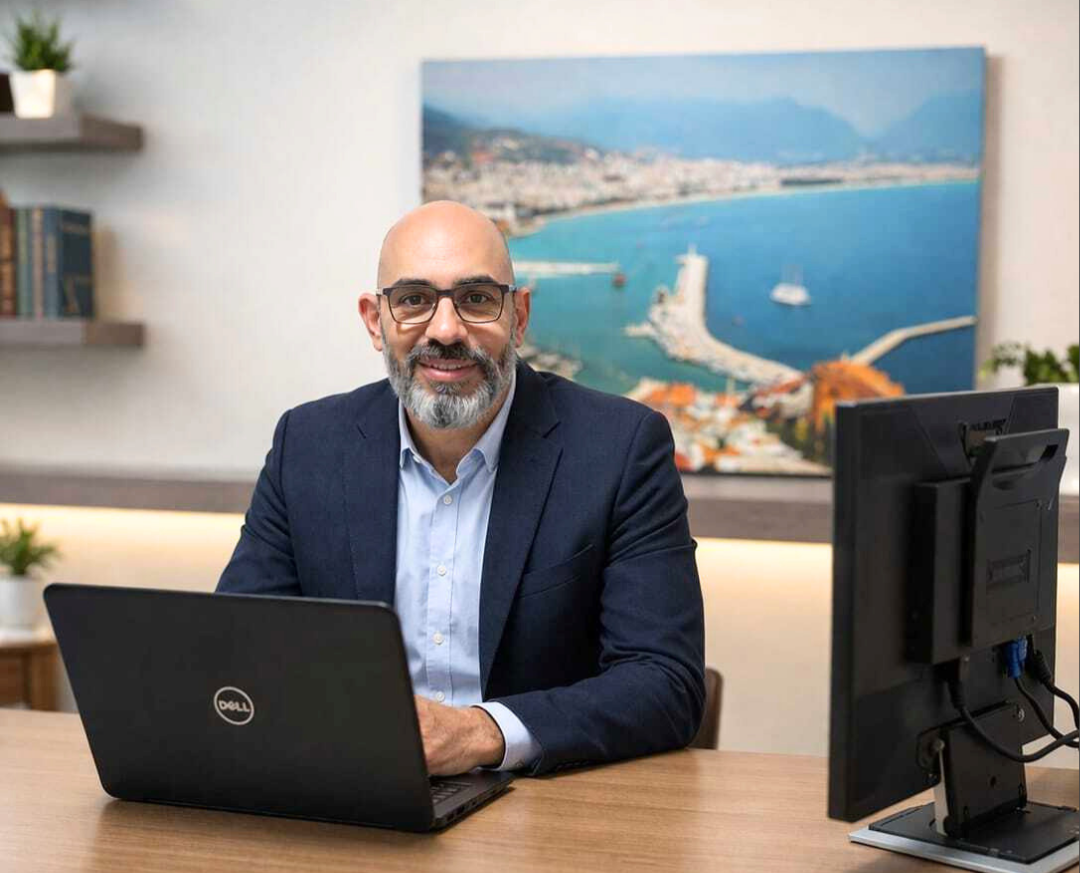
Tarek AlMasri, a Syrian speech and language specialist with a Master’s degree in Special Education, has spent years supporting individuals with special needs in Syria. After leaving Syria and moving to Türkiye with his wife in 2014, he continued his work with NGOs and specialized centres, supporting children with disabilities and developmental challenges.
Over time, he identified a gap. Many Syrian families struggled to access specialized rehabilitation services—particularly speech and language therapy, not only due to cost, but also because of language barriers. While such services are available in Türkiye, they are very costly and difficult to access consistently for refugee families already facing financial constraints.
In response, Tarek began shaping his own centre in 2023 ”Tarek Center” , For a time, he had to step away. But the need never disappeared, and neither did his passion. He returned, reopening the centre and continuing the work he had already begun.. Today, Tarek Center, one of the only Arabic-speaking centres of its kind in Gaziantep, provides assessment, rehabilitation, and speech therapy for children with autism, Down syndrome, and speech disorders,as well as adults recovering from trauma linked to war-related experiences. This includes working with children who have received cochlear implants but require long-term auditory rehabilitation to develop speech—support that is often missing, leaving many unable to fully benefit from the procedure. Each month, around 30 patients come to the centre, many requiring continuous, long-term care.
Despite the importance of these services, sustaining the centre is not easy. Tarek keeps his fees at a symbolic level, mindful of the financial realities many Syrian families face, often relying on minimum income. At the same time, the cost of formalizing a business, licensing, taxes, and social security, remains high, especially for a service that depends on long-term, continuous care.
At this critical stage, Ruhsat support from the “Resilient Employment and Socio-Economic Development in Earthquake-Affected Regions of Türkiye (RE-SEED)” project enabled Tarek to formalize his business and move from an informal setup to a fully registered centre. This included support with key steps such as notarizing documents, obtaining a work permit, registering with the Chamber of Commerce, and securing an electronic signature. In addition, the project covers his social security (SGK) for three months, easing the financial burden during this transition and allowing him to focus on sustaining and growing his services.
For Tarek, formalization, made possible through the RE-SEED project, is not just an administrative step. In a centre working directly with vulnerable children and individuals, being formally registered provides legal protection for both the service provider and beneficiaries, ensures accountability, and builds trust with families. It also opens the door to future opportunities, including partnerships and potential support from institutions working in this highly specialized field
The Ruhsat support enabled Tarek to access health insurance for himself and his family, an essential support given the rising cost of healthcare for Syrians. This has not only improved his personal stability, but also enabled him to continue operating his centre with greater security.
Currently managing the centre on his own, Tarek hopes to expand his team as the centre grows. He aims to train specialized staff and contribute to greater awareness of how individuals with special needs can be better supported and included in society.
Through RUHSAT support, the RE-SEED project helps ensure that these services continue reaching those who need them most. For many children and families, this means more than access to therapy, it means a real chance to communicate, to connect, and to be heard.
This support is provided under the “Resilient Employment and Socio-Economic Development in Earthquake-Affected Regions of Türkiye (RE-SEED)” project, co-funded by the European Union and the German Federal Ministry for Economic Cooperation and Development, and implemented by Deutsche Gesellschaft für Internationale Zusammenarbeit (GIZ) GmbH in cooperation with the Union of Municipalities of Türkiye and Building Markets.